Congratulations!!!
You have completed your program! You have your tools!
Now it’s time to use them in the real world, your world. And we will be here to support you as you continue to learn how to use them in your own way.
How we can help
1. If; in the event that
2. At: used to indicate a particular place or time
3. Just: being what is deserved
4. The: that or those mentioned, seen, or clearly understood
5. Left, leaving, leaves, and leave: to go away from
6. And: added to
7. A: someone or something being mentioned for the first time (there is a dog in the yard)
8. After: following in time or place
9. Back: to, towards or at the rear
10. Because: for the reason that
11. Became, become, becoming, becomes: to come or grow to be
12. Between: in the time or space that separates
13. Come, came, comes, coming: to move toward
14. Do, did, does, doing, done: To perform (an act, duty role etc) OR Don’t, doesn’t: do or does not
15. Every: including each of a group or series without leaving out any
16. Everything: all that exists or is important
17. From: shows a starting point
18. Go, goes, going, gone, went: to move or travel from one place to or towards another
19. Get, gets, getting, got: to gain possession of
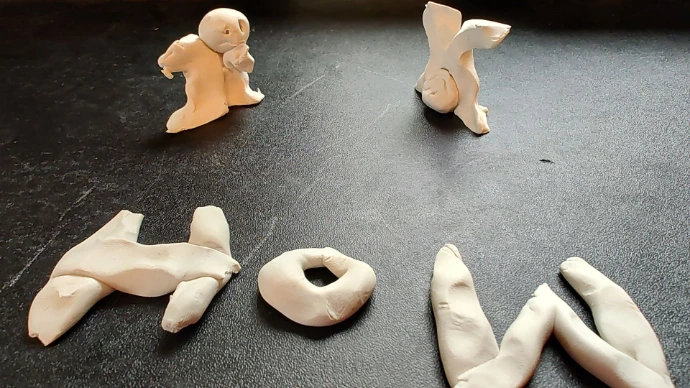
20. How: In what way/manner (How did he die?)
21. I and me: The person speaking or writing
22. Other: being the one left
23. Out: in the direction away from the inside, center, or surface
24. Ours: that which belongs to us
25. That: the person or thing seen, mentioned, or understood
26. Their: of or relating to them
27. Theirs: that which belongs to them
28. Through: into at one side and out at the other side
29. This/these: being the one present, near in place, time, or thought, or that has just been mentioned.
30. Unless: to say what will or will not happen (Cambridge dictionary)
31. Very: to a great degree (extreme)
32. What: which thing or things;
33. Why: For what cause or reason
34. With: in the same group or place as
35. You: The person, thing, or group these words are spoken or written to
1. Collect: Make a pile of the things you want to organize
2. Select: Choose an item to start with
3. Identify: what is it? Are there more of the same? (group like items together)
4. Determine Condition: Is it good or bad?, usable or unusable? Clean or dirty? OK? etc?
5. Determine Place: Based on its condition, where should it go?
6. Determine Position: Does it need a specific position in its place to be correct? If so, what position does it need? (ie pencils need to be point down in the pencil holder, spoons need to have their tops pointing towards the back of the drawer in the silverware rack)
7. Declare: tell yourself and the item, out loud what it is, where it belongs, and what position it needs to be in. This helps you to remember what you decided.
8. Repeat steps 2-7 until your space is organized.
9. Picture: Use your tools to make a mental picture or take a physical picture of the place you have organized so that you remember what goes where.
10. Maintain: You are responsible for maintaining order in your space You must determine the condition, place, and position for anything and everything that comes in to or out of this space. So, make a plan, for how and when you are going to do that, and stick to it! (Ie: check your dresser every night before bedtime to make sure it still matches your picture. Check your backpack every Thursday after school)
Here are a few ideas for how to use your tools to practice controlling your energy and matching your energy level with others around you. It makes interacting with people so much easier!
1. Uno Cards: Break out the Uno cards, get yourself just the numerals 2-9, shuffle them up. Take turns with a friend, changing or matching energy levels based on whatever comes up in your draw pile. Want to make it more interesting? Make 2 draw piles, one for you, one for your friend, draw in secret, and try to guess your friend’s energy level, then match it with your own. You can also do this with different kinds of energy, like mental and physical. Be creative, have fun. Practice using that tool!
2. Dogs: Do you have a dog? If so, dogs are a fantastic, fun, judgment free way to practice using your tools to control your energy when you are with your dog. Try changing your energy level to change the dog's energy level, try to match the dog’s energy level or do different activities ( fetch, grooming, etc) with your dog and observe how they respond to that activity when you do it at different energy levels.
3. Make something: Do you like to create: draw, write, cook. . .etc? Explore creating at different energy levels and see what works best for your. Try drawing a flower at an energy level of 3 or making soup at an energy level of 7. What do you notice? Is it easier to remember details at a certain energy level? Can you remember the next several pieces you want to do at that energy level? Did it take longer or shorter than usual to create at that energy level? What do you think is the best energy level for you to use when you are making this kind of creation?
· Need Additional support? Reach out to your Logos Learning Solutions Learning.
Need Additional support? Reach out to your Logos Learning Solutions Learning Specialist at andrea@logoslearningsolutions.com
About us
Logos Learning Solutions exists to connect people who experience symptoms of Dyslexia, Dyscalculia, ADHD and other learning differences with their gifts in order to resolve their challenges. This transformative process makes learning reading, writing, math and executive functioning skills easier by showing clients how to work with their brains in the way they were designed to work.